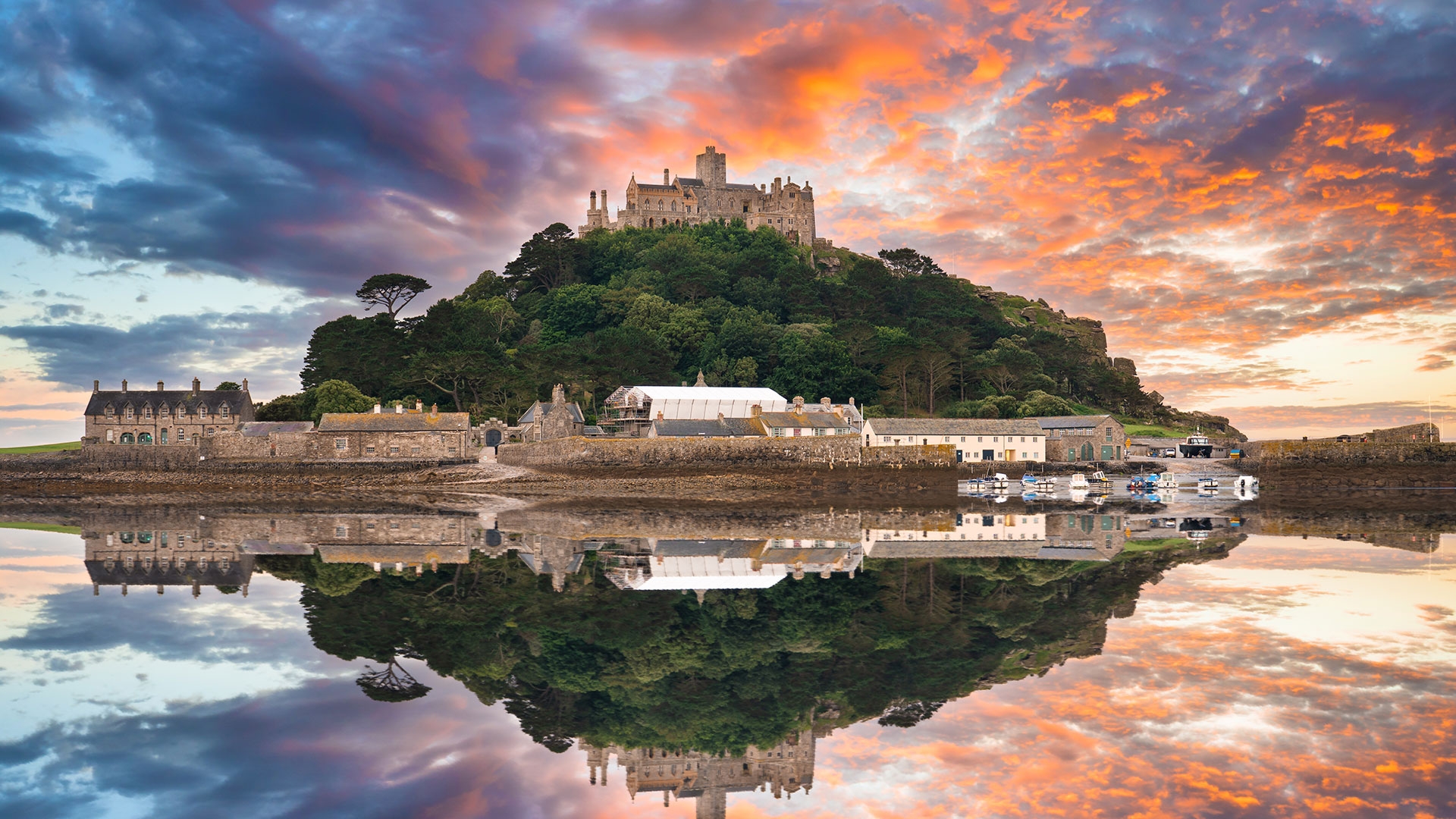
Cornwall Gears Up for the 2026 Visitor Season as Spring Arrives
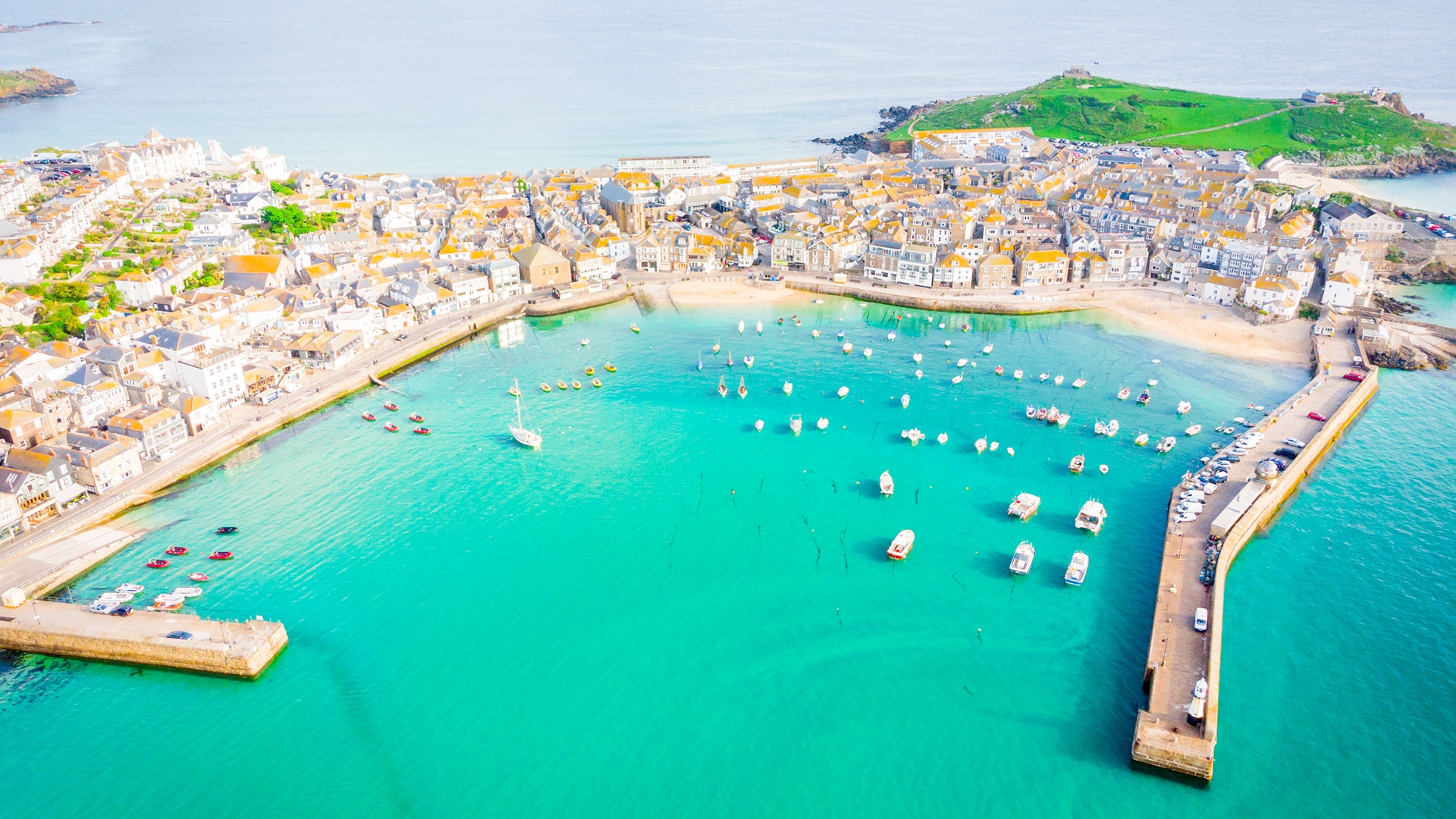
As spring arrives on Cornwall’s rugged coastline, the county begins to prepare for the return of visitors eager to enjoy its beaches, coastal paths and historic towns. With longer days, milder weather and the Easter holidays just around the corner, March and April mark the beginning of the tourism season across the region.
Following the quieter winter months, Cornwall’s harbours, attractions and hospitality businesses are beginning to reopen fully for the year ahead. For many travellers, early spring is one of the best times to experience Cornwall — offering beautiful coastal scenery without the peak summer crowds.
A Season of Cornish Traditions
The start of the tourism season follows closely after St Piran’s Day on 5 March, a celebration of Cornwall’s patron saint and Cornish culture. Communities across the county mark the occasion with parades, music and traditional events, setting the tone for the months ahead as visitors begin returning to the region.
Cornwall’s strong sense of heritage is part of what continues to attract tourists from across the UK and beyond. From historic fishing villages to the county’s iconic tin mining landscape — now a recognised UNESCO World Heritage Site — Cornwall offers a unique blend of natural beauty and cultural identity.
Coastal Walks and Spring Scenery
Spring is a wonderful time to explore Cornwall’s famous coastline. Wildflowers begin to appear along the cliffs, seabirds return to nesting sites and the coastal paths become ideal for walkers and photographers alike.
Popular routes such as the South West Coast Path offer spectacular views across the Atlantic, while sheltered beaches and coves provide peaceful spots for visitors to enjoy the early sunshine.
Areas such as St Ives Bay, Hayle Towans and Godrevy Point are particularly popular in spring, with miles of golden sand and dramatic coastal scenery providing the perfect setting for a relaxing break by the sea.
Attractions Reopen for the Season
As the Easter holidays approach, many of Cornwall’s major attractions begin welcoming guests again.
Visitors can explore world-famous destinations including:
-
The Eden Project, with its iconic rainforest and Mediterranean biomes
-
Historic castles such as St Michael’s Mount and Pendennis Castle
-
Art galleries and museums celebrating Cornwall’s creative heritage
Family attractions also begin hosting seasonal activities in the lead-up to Easter, making the region an ideal destination for families looking to enjoy an early spring holiday.
Easter Holidays in Cornwall
With Easter falling in early April this year, the school holidays will see Cornwall become increasingly lively as visitors arrive for long weekends and short breaks.
Many historic houses, gardens and National Trust sites across Cornwall host Easter egg hunts, family trails and seasonal events, while seaside towns begin to welcome back holidaymakers looking for fresh sea air and coastal adventure.
Local cafés, restaurants and farm shops also showcase Cornwall’s renowned food culture, with fresh seafood, traditional Cornish pasties and locally produced ingredients drawing visitors from across the country.
A Perfect Time to Visit
While summer remains Cornwall’s busiest period, spring offers a quieter and often more relaxed way to experience the region.
Visitors can enjoy the county’s natural beauty, charming villages and world-class attractions without the peak-season crowds, making Easter the perfect time to start exploring everything Cornwall has to offer.
As the days grow longer and the coastline comes back to life after winter, Cornwall once again prepares to welcome guests for another memorable visitor season.